Did you know that the average American spends over 270 hours per year on food preparation?¹ That’s a significant chunk of time that could be spent on other activities. For those looking to streamline their time in the kitchen, understanding the right measuring tools can make a world of difference. While both cups and tablespoons are essential for cooking and baking, they serve different purposes, especially when it comes to quick meal prep.
Understanding Your Measuring Tools
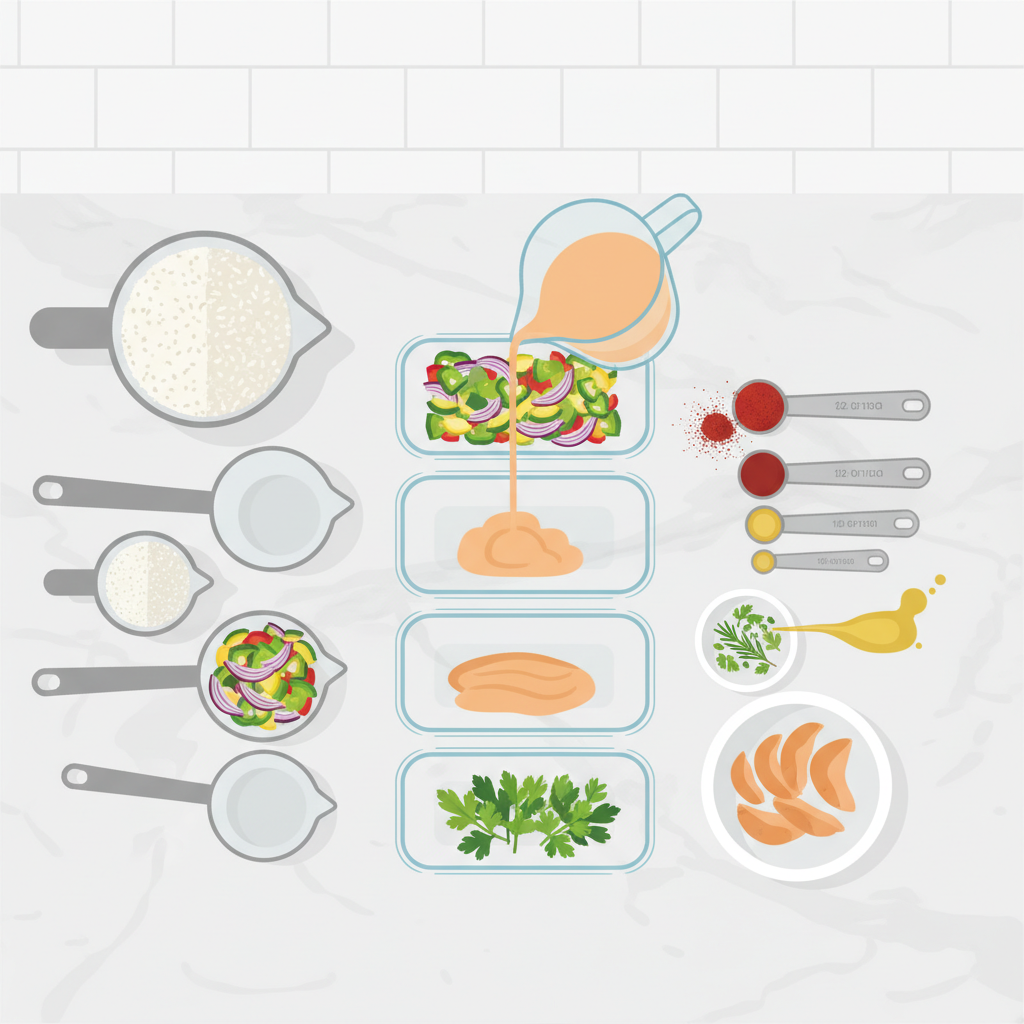
Measuring cups are typically used for larger quantities of ingredients, such as flour, sugar, liquids, or chopped vegetables. They come in various sizes, from a full cup down to fractions like 1/4, 1/3, and 1/2 cup. These are ideal for recipes that require precise amounts of bulk ingredients.
Measuring spoons, on the other hand, are designed for smaller, more concentrated ingredients. This includes spices, extracts, oils, and seasonings. Common spoon sizes are 1 tablespoon, 1 teaspoon, 1/2 teaspoon, and 1/4 teaspoon. Getting these small amounts right can significantly impact the flavor profile of your dish.
When to Choose Cups for Meal Prep
When you’re prepping meals in bulk, like making a large batch of chili, soup, or a grain salad, measuring cups are your best friend. They allow you to quickly portion out ingredients for multiple servings. For example, if a recipe calls for 2 cups of cooked rice for your weekly meal prep, using a 1-cup measure twice is efficient. Similarly, for larger liquid ingredients like broth or oil, cups provide a faster and more accurate measurement than repeatedly using tablespoons. You can even find conversion charts for common measurements, like knowing how many tablespoons are in 3/4 of a cup.
When to Choose Tablespoons for Meal Prep
Tablespoons shine when you’re adding flavor enhancers or smaller, potent ingredients. Think about adding soy sauce, honey, vinegar, or even finely chopped herbs. Measuring these with tablespoons ensures you get the right balance of taste without overdoing it. For instance, if your meal prep recipe requires 3 tablespoons of olive oil for dressing a large salad, using a tablespoon measure is straightforward. For very small amounts of potent spices, like a teaspoon or half teaspoon, measuring spoons are indispensable. The accuracy of tablespoons is crucial for consistent flavor across all your prepped meals.
Tips for Speedy Meal Prep
- Invest in quality sets: Having a good set of both dry and liquid measuring cups, as well as a complete set of measuring spoons, will save you time and frustration.
- Read your recipes carefully: Understand whether the recipe calls for bulk ingredients measured by cups or flavorings by tablespoons.
- Utilize conversion charts: Sometimes, a recipe might be written in a way that makes it easier to use a different tool. Knowing common conversions can speed things up. For example, the conversion of 3/4 cup to tablespoons is 12 tablespoons.
- Clean as you go: Wiping down your measuring tools between uses prevents cross-contamination and keeps your workspace tidy.
Ultimately, both cups and tablespoons are vital tools for efficient meal preparation. Understanding when to use each will help you save time and achieve delicious, consistent results for your weekly meals. For more insights into kitchen measurements and conversions, resources like the National Institute of Standards and Technology (NIST) offer detailed information on measurement standards. Additionally, culinary schools and reputable cooking websites often provide helpful guides on mastering kitchen techniques. For instance, the Culinary Institute of America is a leading authority on culinary arts.
